Film Music Composer · Musician · Actor
“Without music, life would be a mistake.”
— Friedrich Nietzsche

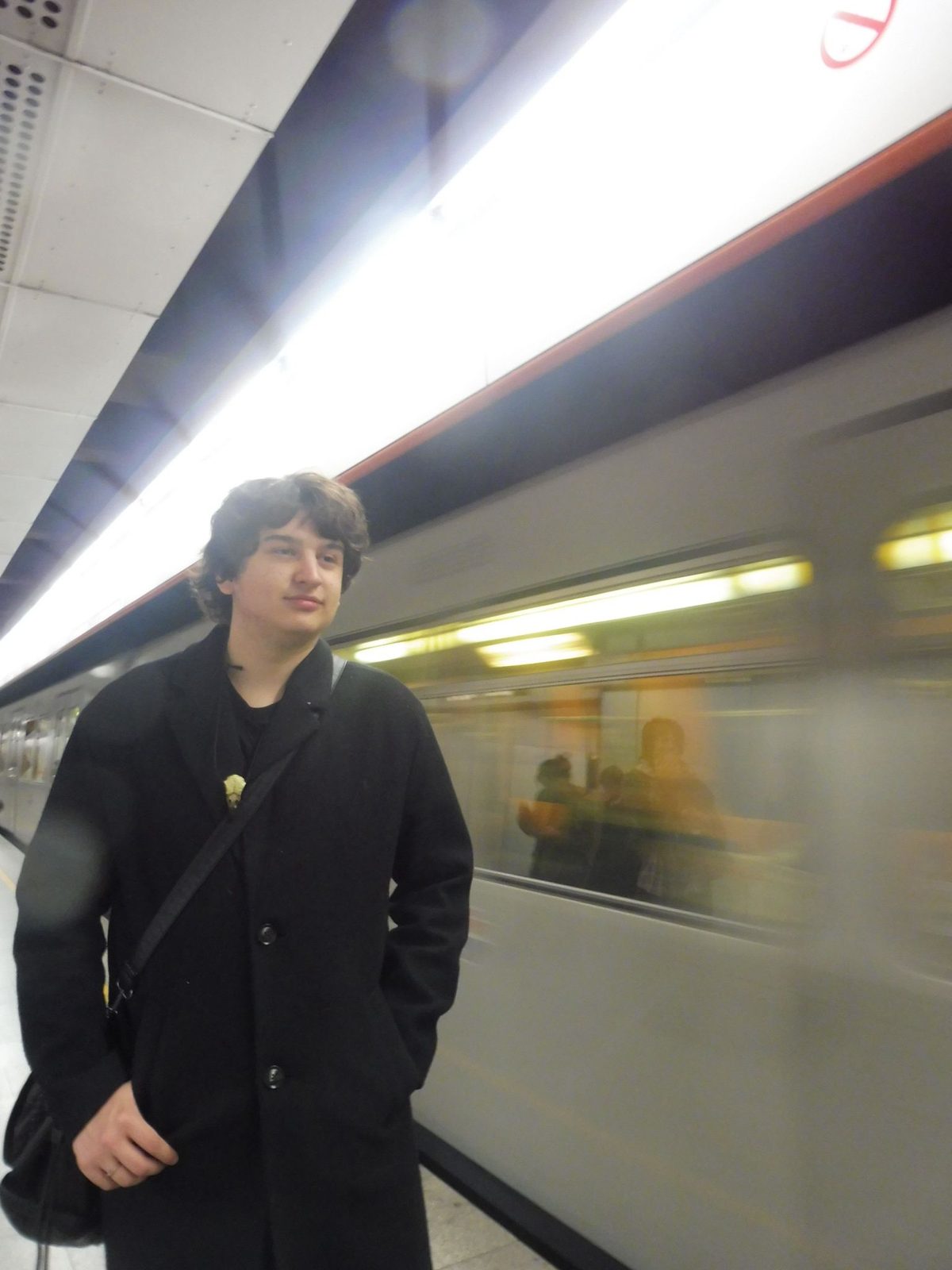
Maximilian Aichner was born on August 7th, 2007 in Brixen, a small town in the Alps. Growing up there, he developed an early interest in how sound can express things words often can’t — especially mood and emotion.
He’s involved in music and acting, and plays several instruments including electric bass, piano, and guitar, which he keeps improving on his own. He also works with synthesis and enjoys experimenting with sound in general.
Right now, he’s finishing school at Tschuggmall in Brixen and is gradually shaping his path toward working in music and film, focusing on creating emotional and atmospheric compositions.
Maximilian actively plays and continuously develops all of the following instruments — each one a different window into the world of cinematic sound.

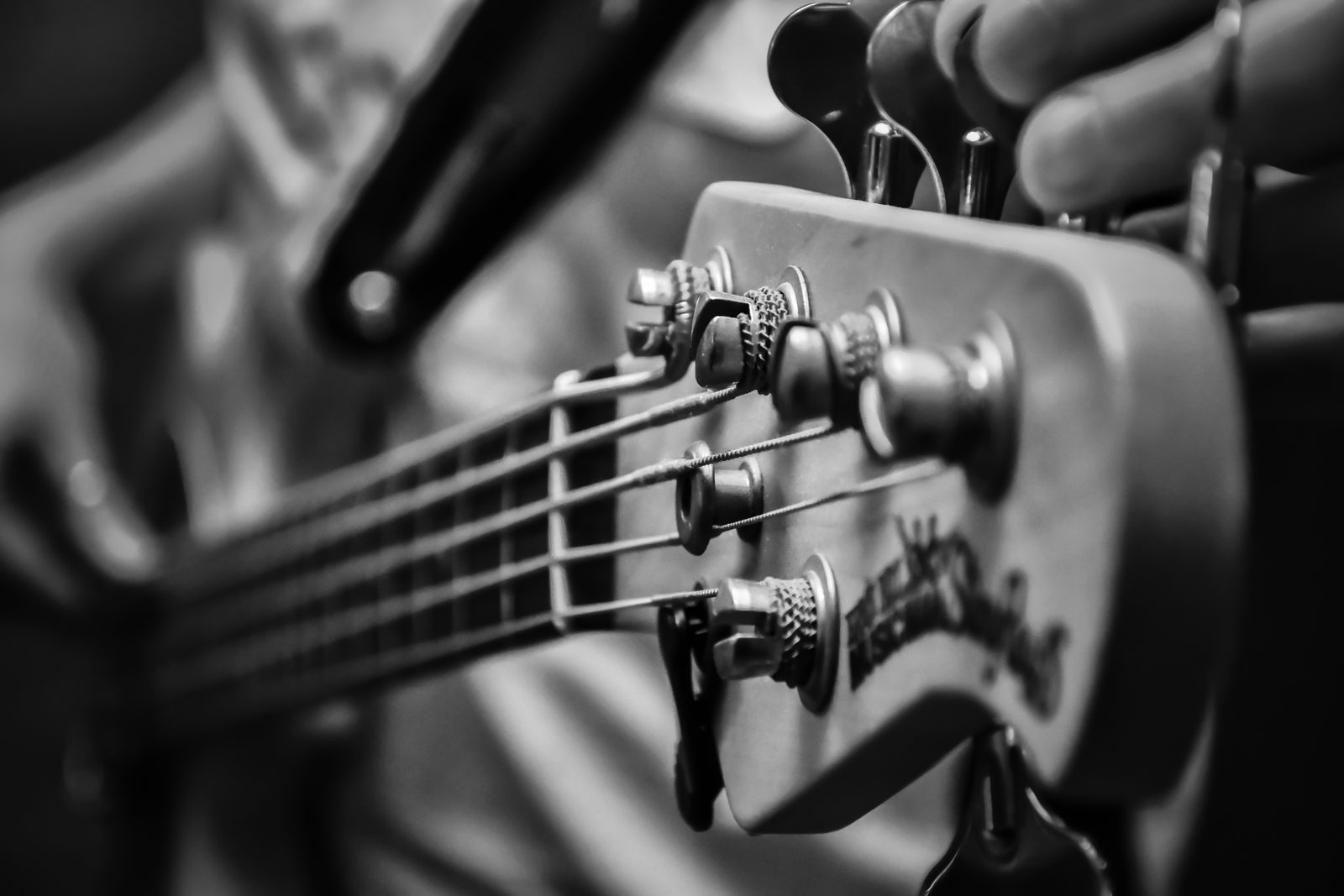
Three years on double bass built an unshakeable harmonic foundation before Maximilian transitioned to electric bass — developing the rhythmic intuition and tonal sensitivity that now underpins every composition he writes.

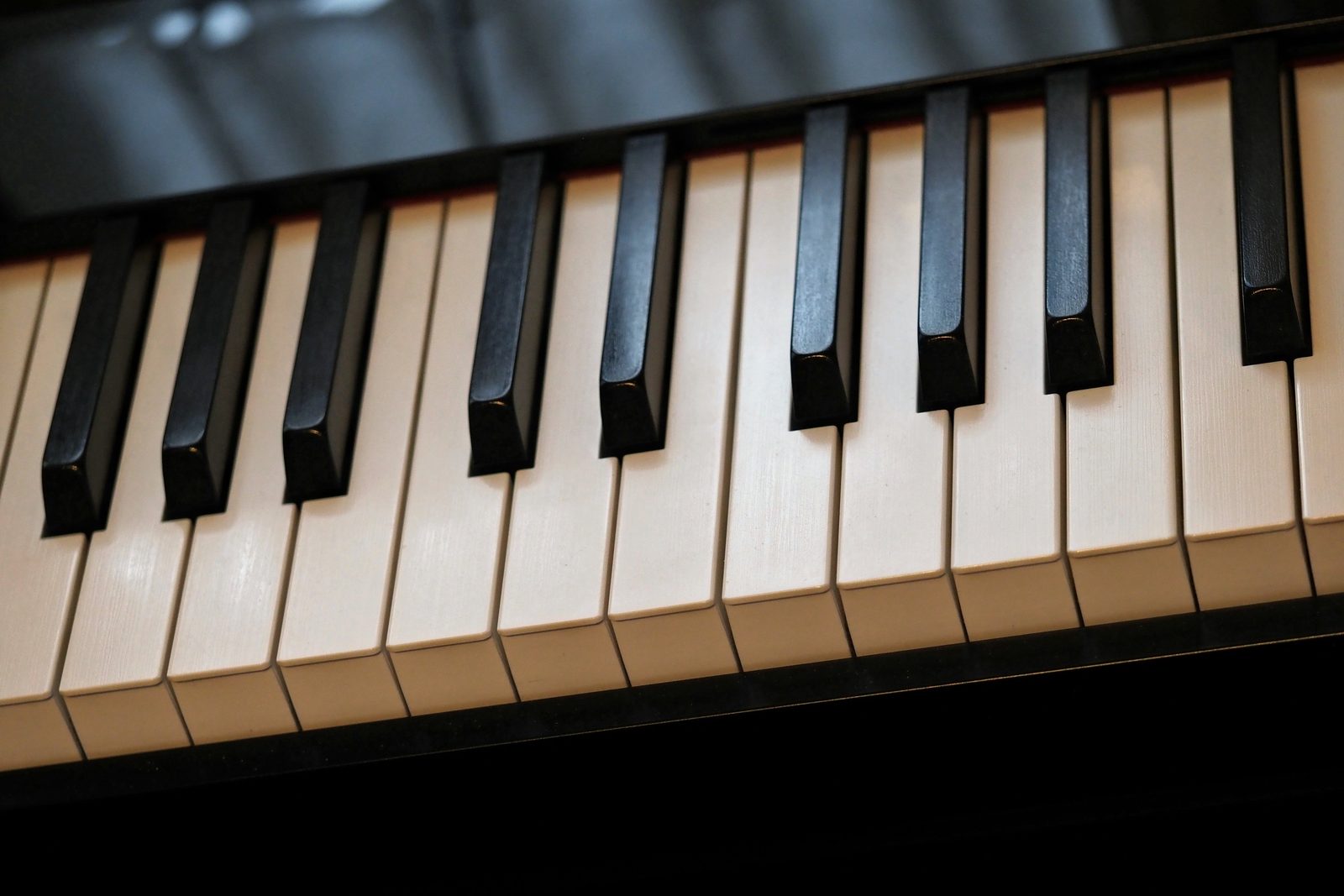
Entirely self-taught — no teacher, only instinct, ear, and relentless practice. The piano is where Maximilian composes, explores harmony, and gives cinematic ideas their first form. It is the heart of his creative process.

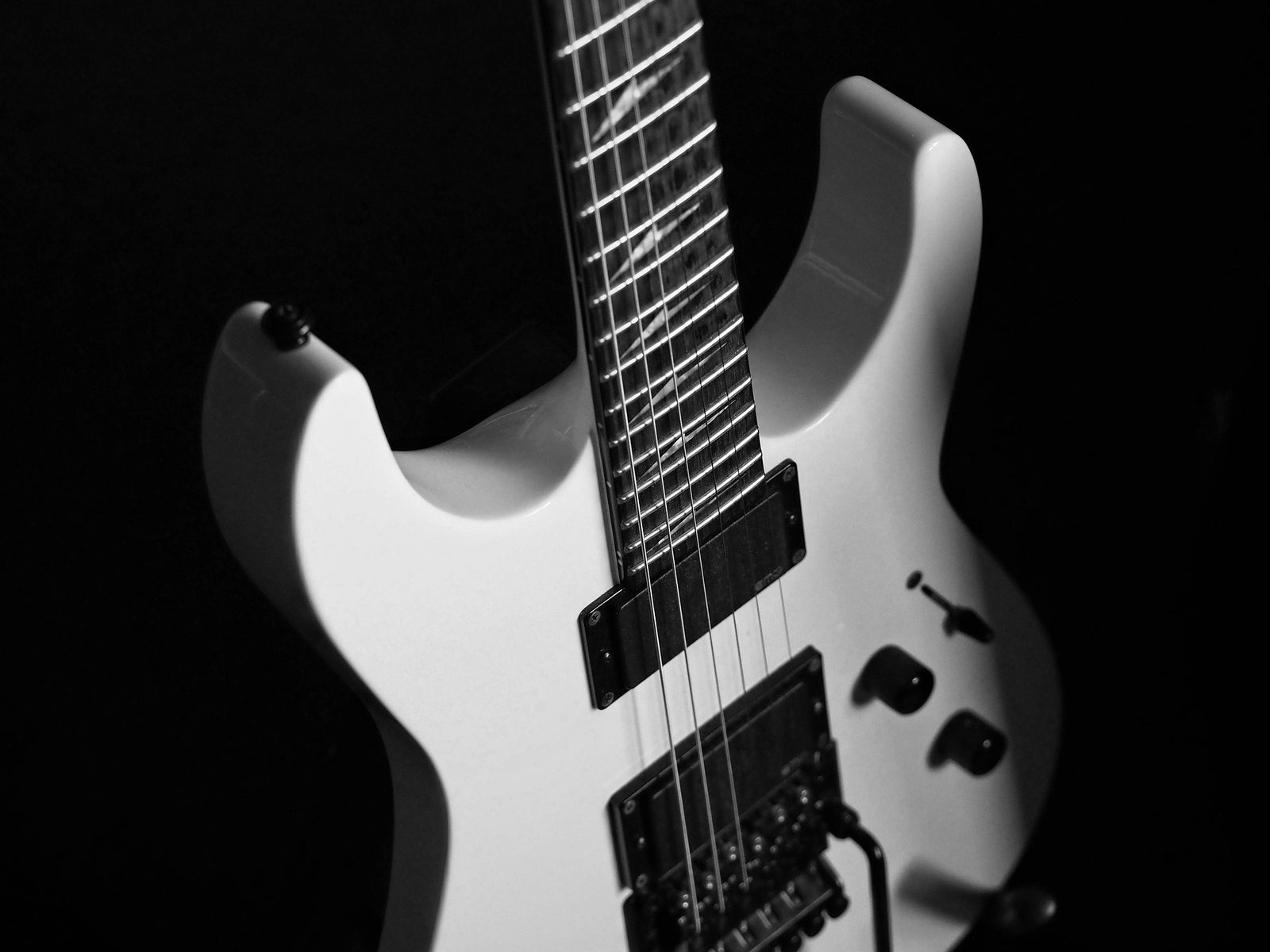
Born naturally from a bassist's hands and harmonic instincts. Guitar adds textural color arpeggiated atmosphere, ambient chords, rhythmic layers that bridge the acoustic and electronic worlds Maximilian inhabits simultaneously.

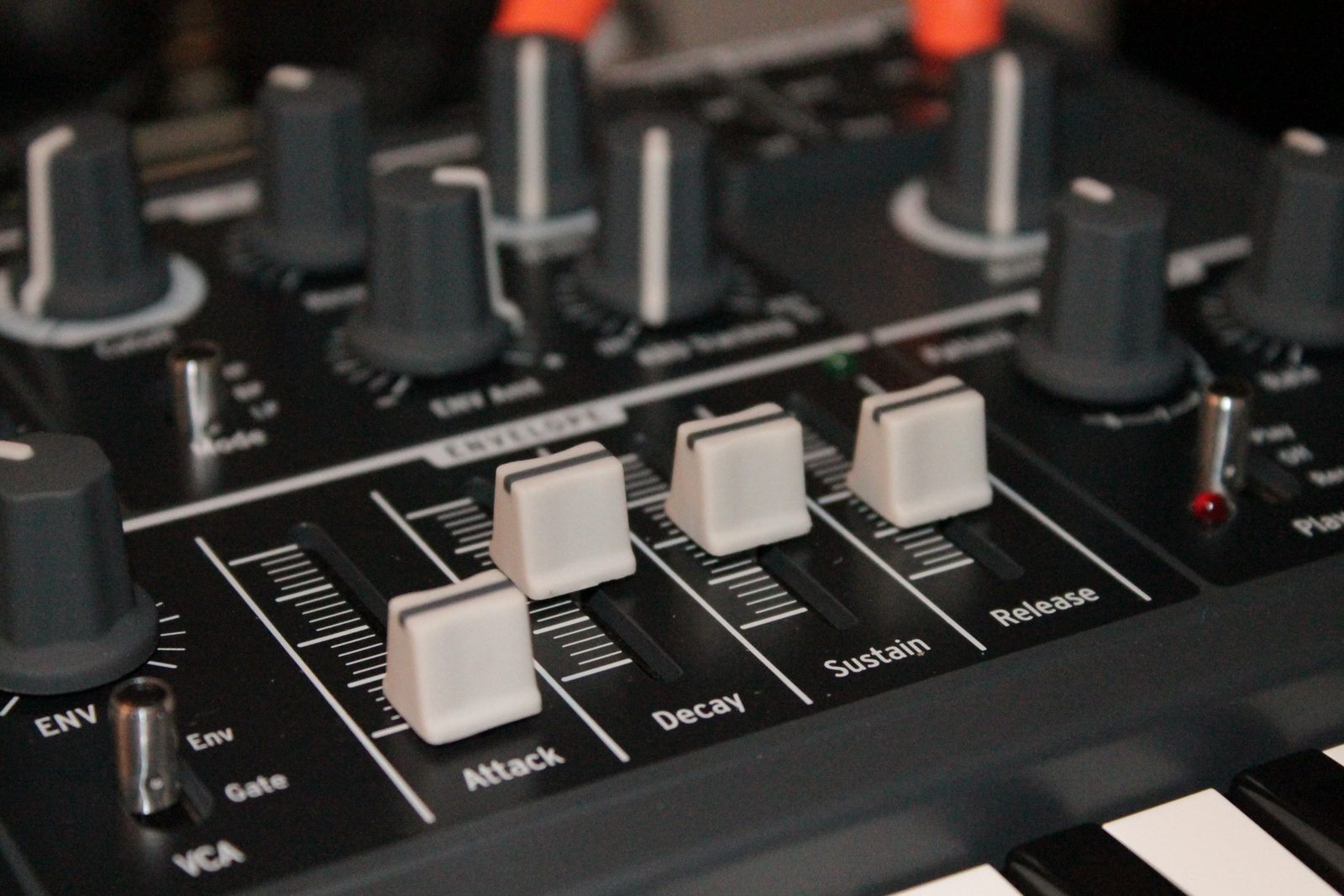
The newest and most cinematic frontier. Deep study of synthesis, modular design, and electronic texture — the language of Zimmer, Cliff Martinez, and the intimate electronic atmospheres that make a theater feel like the inside of a dream. It all takes shape in Cubase, his digital studio for composing and producing.
In 2025, Maximilian began the most intellectually demanding chapter of his musical life — the serious, systematic study of music theory. Not as an academic obligation, but as an obsession: the desire to understand why certain combinations of notes make entire theaters hold their breath.
His theoretical focus is unambiguously cinematic: harmony as emotional architecture, orchestration as storytelling, and sound structure as the invisible grammar that tells an audience what to feel before a single actor speaks. He brings a composer's ambition to the study of what makes music move people.
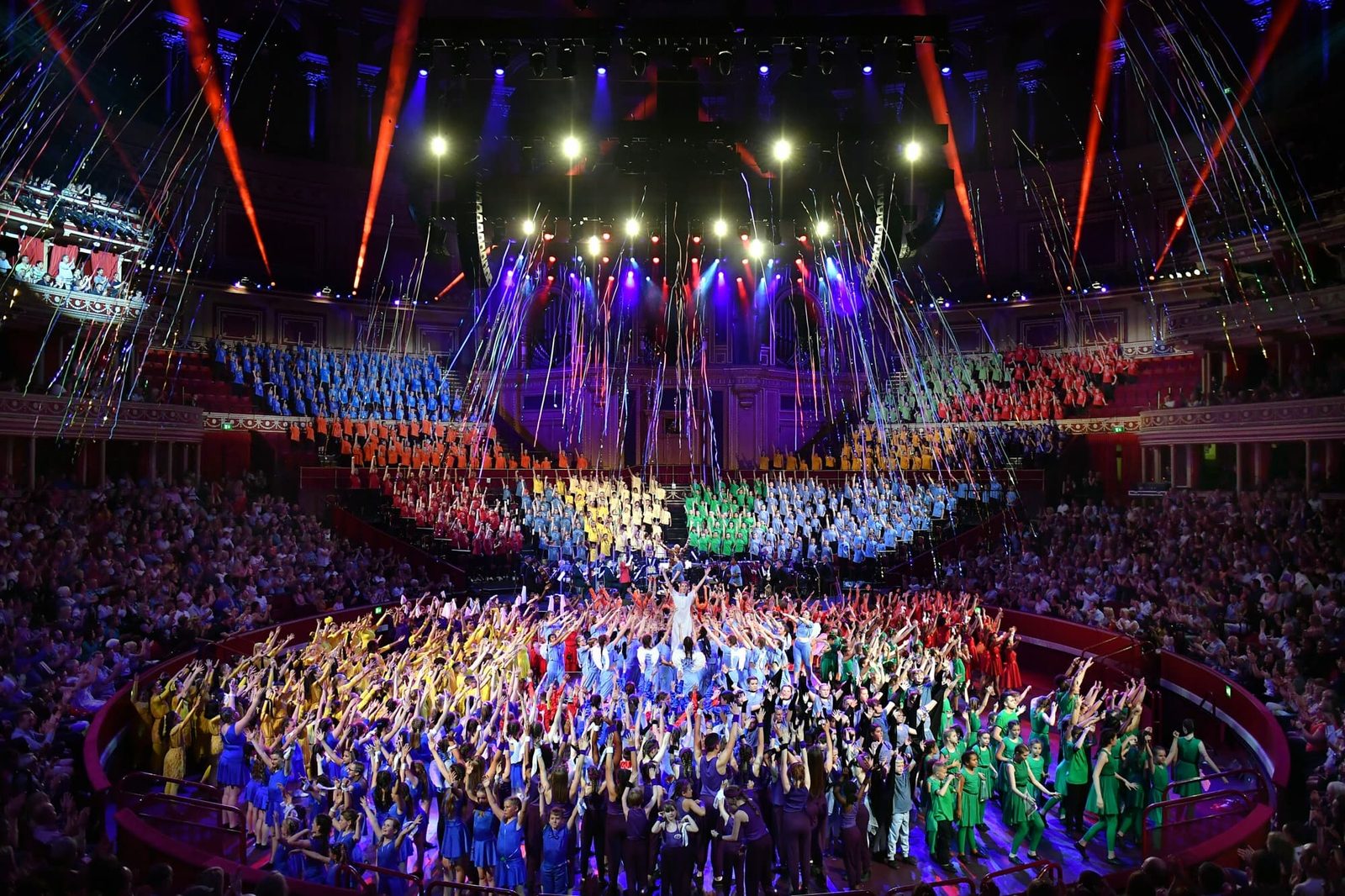
Across 13 years of theater and music, Maximilian has performed on many stages throughout Europe. One performance, however, stands alone.

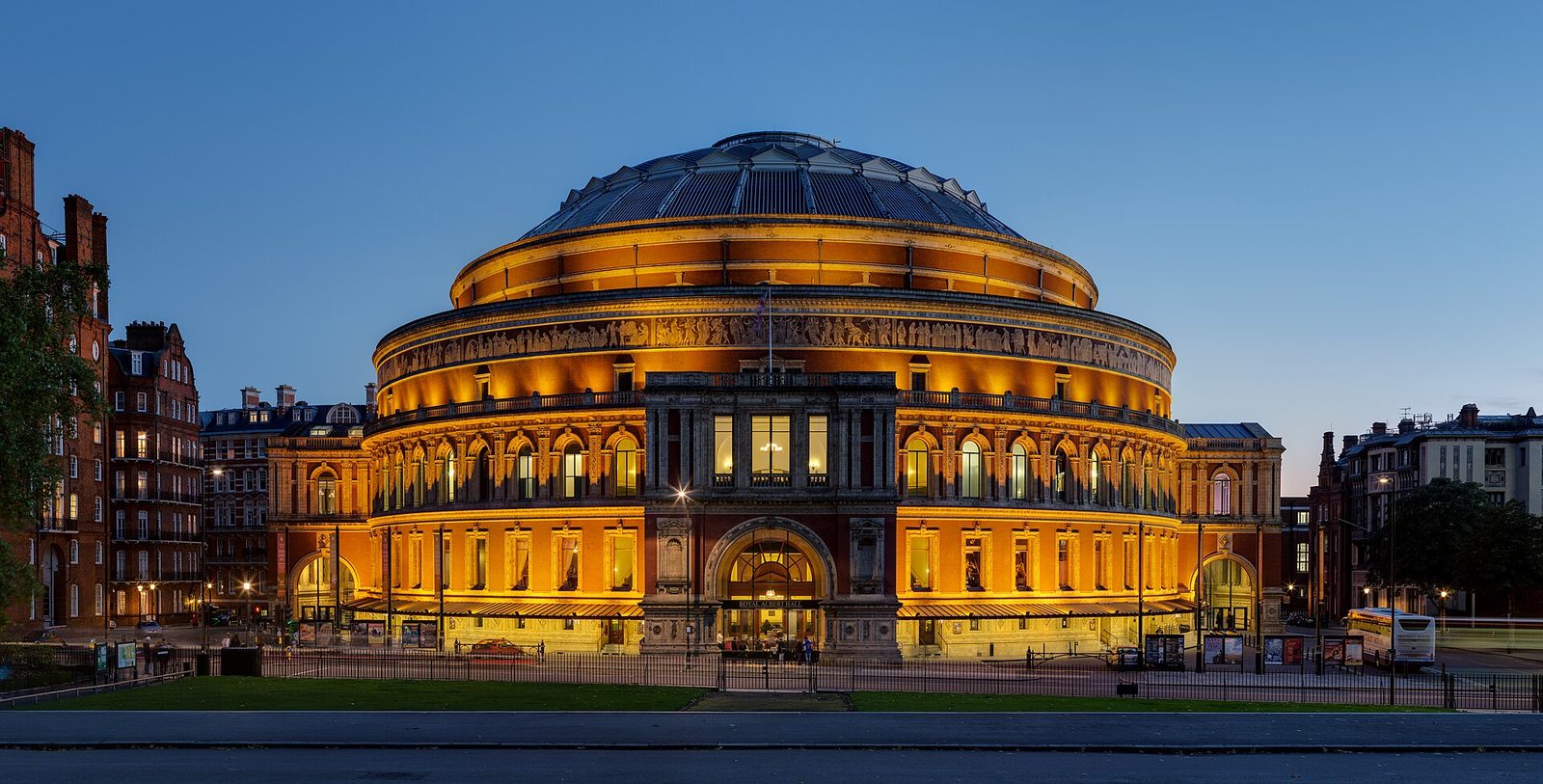
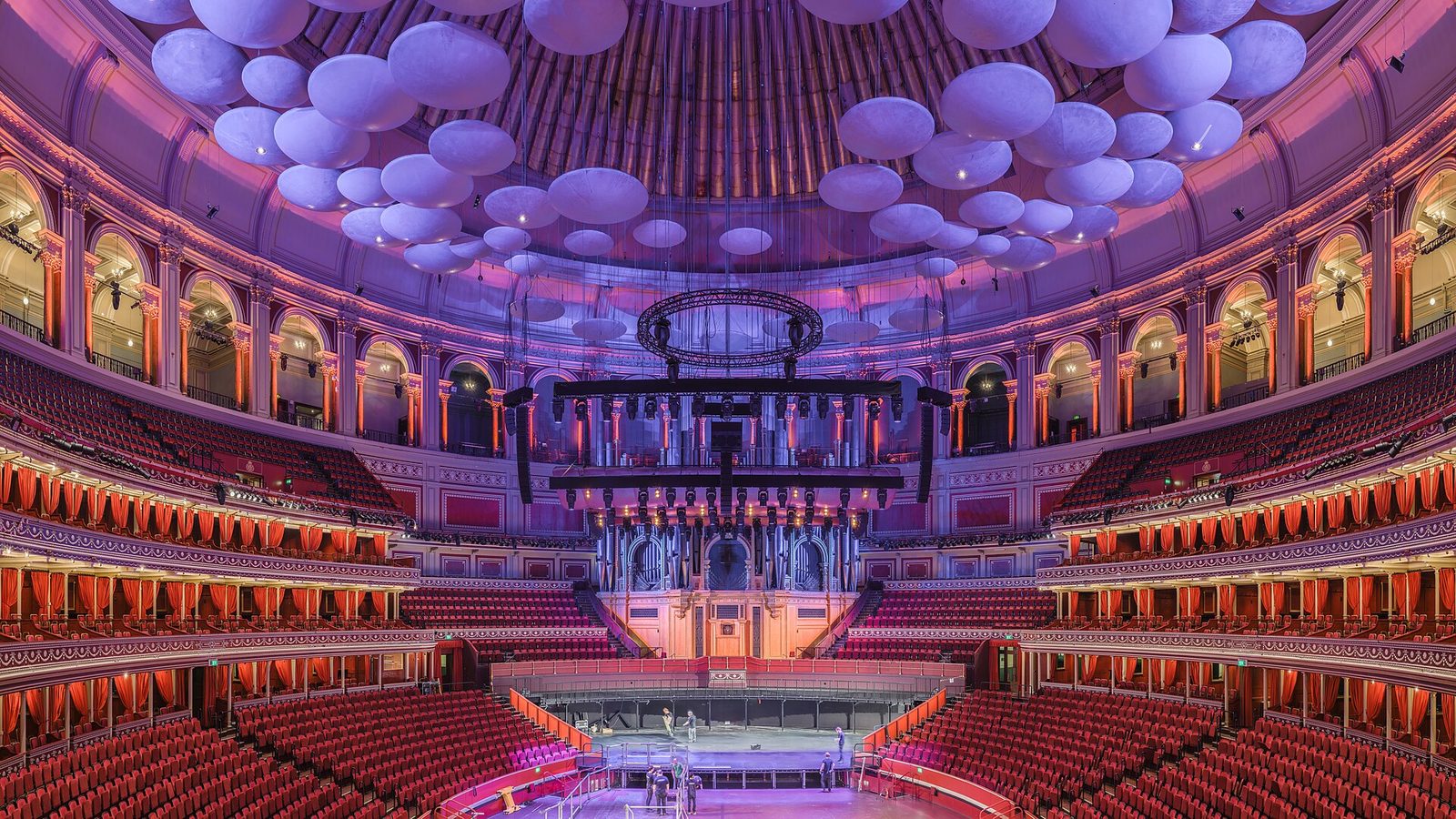
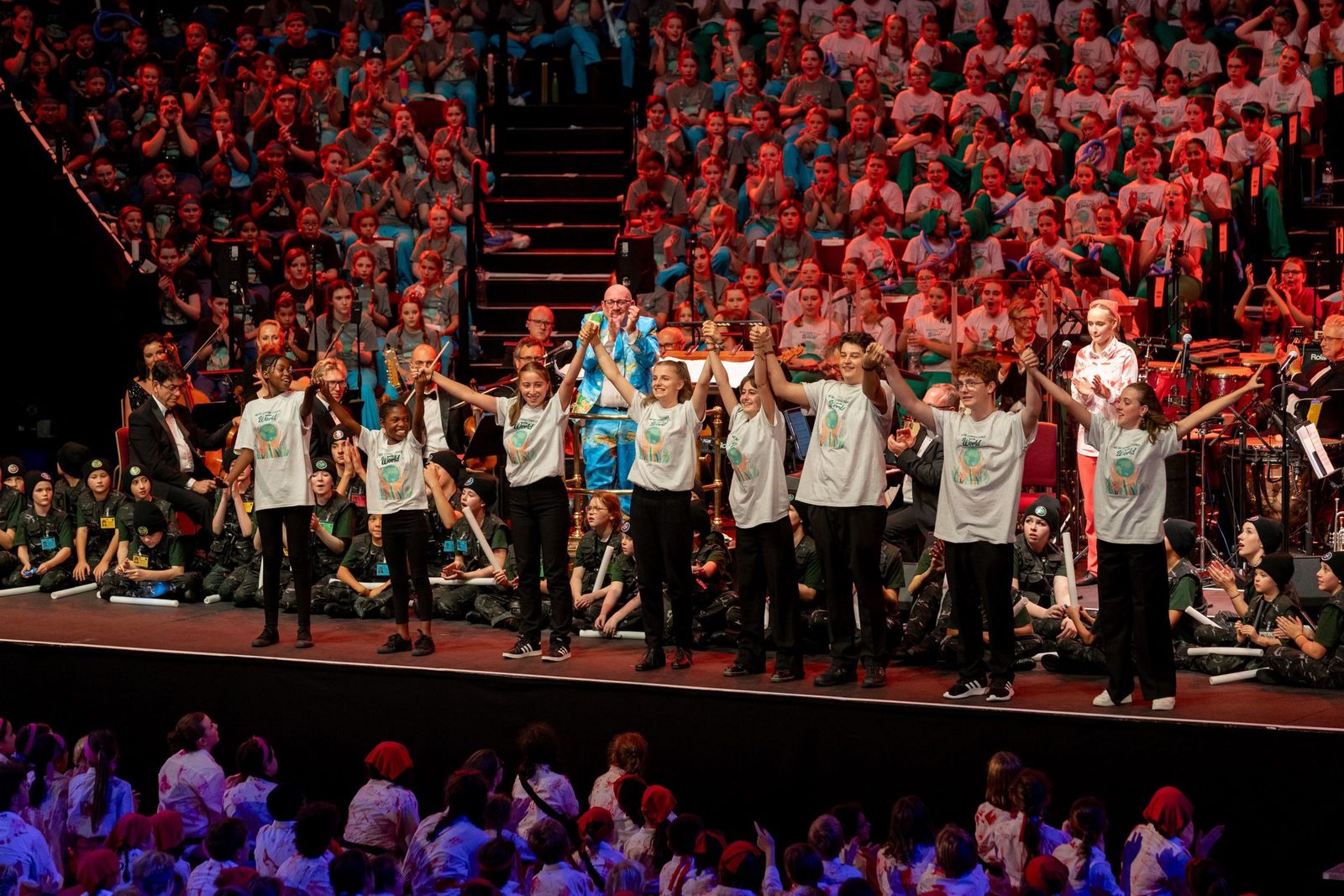
As part of a choir of approximately 600 voices, Maximilian performed on one of the most iconic stages in the world — before a total audience of approximately 17,000 people in a single day. A landmark moment in a performance life that had already spanned many theaters and concert halls throughout Europe. His biggest stage yet.


To be honest, while everyone else focused on singing and performing, I was busy imagining how Cornfield Chase would sound on the organ....